
Tung Oil For Wood
📖 Table of Contents
I first fell in love with tung oil for wood during a late-night project in my garage — a small, weathered coffee table I bought at a flea market. It was rough, splintered, and in desperate need of some love. After applying a few coats of tung oil, it transformed into a smooth, lustrous surface that felt warm under my fingertips. That was the moment I realized how powerful and unique tung oil could be for wood projects.[1]
Tung oil for wood is a traditional finish that has stood the test of time, and it's something I've used on everything from my own furniture to custom pieces for clients. It's not just about the look — it's about the feel. The way it penetrates deep into the grain, hardens into a beautiful sheen, and becomes part of the wood itself is something I can't get enough of. It's a finish that doesn't just sit on top of the wood — it becomes part of it.
What I love most about tung oil is that it's not a quick fix. It takes time, patience, and a few coats, but the result is worth it. I’ve found that the best results come when you take your time and follow the right process. Whether you're a seasoned DIYer or just starting out, learning to work with tung oil for wood can be a game-changer in how you finish your projects.
Why You'll Love This Project
- Deep penetration into the wood grain for a rich, natural finish
- Long-lasting durability that holds up to daily use
- Easy to maintain with minimal effort over time
- Adds a warm, lustrous sheen that enhances the natural beauty of wood
Understanding Tung Oil for Wood
As of September 2026, Tung oil comes from the seeds of the tung tree, native to China. It's a natural oil that has been used for centuries to finish wood in China and Japan. What makes it stand out is its ability to soak into the wood rather than forming a film on top. This means it doesn’t crack or peel over time, and it actually becomes part of the wood’s structure.
I’ve used it on everything from kitchen tables to outdoor benches, and the results have always been impressive. It gives a deep, lustrous sheen without looking oily or glossy. The finish feels smooth and hard, and it brings out the natural grain of the wood in a way that other finishes can't match.
One of the best things about tung oil for wood is that it's non-toxic and safe to use in homes. Unlike some synthetic finishes, it doesn’t emit harmful fumes, making it a great choice for DIYers who care about the health of their family and their home.
Look for pure, 100% tung oil with no additives or thinners. This ensures the best penetration and finish. I always buy from trusted brands that have a good reputation for quality.
Part of our Wood staining basics tools supplies guide.
What Makes Tung Oil for Wood Unique
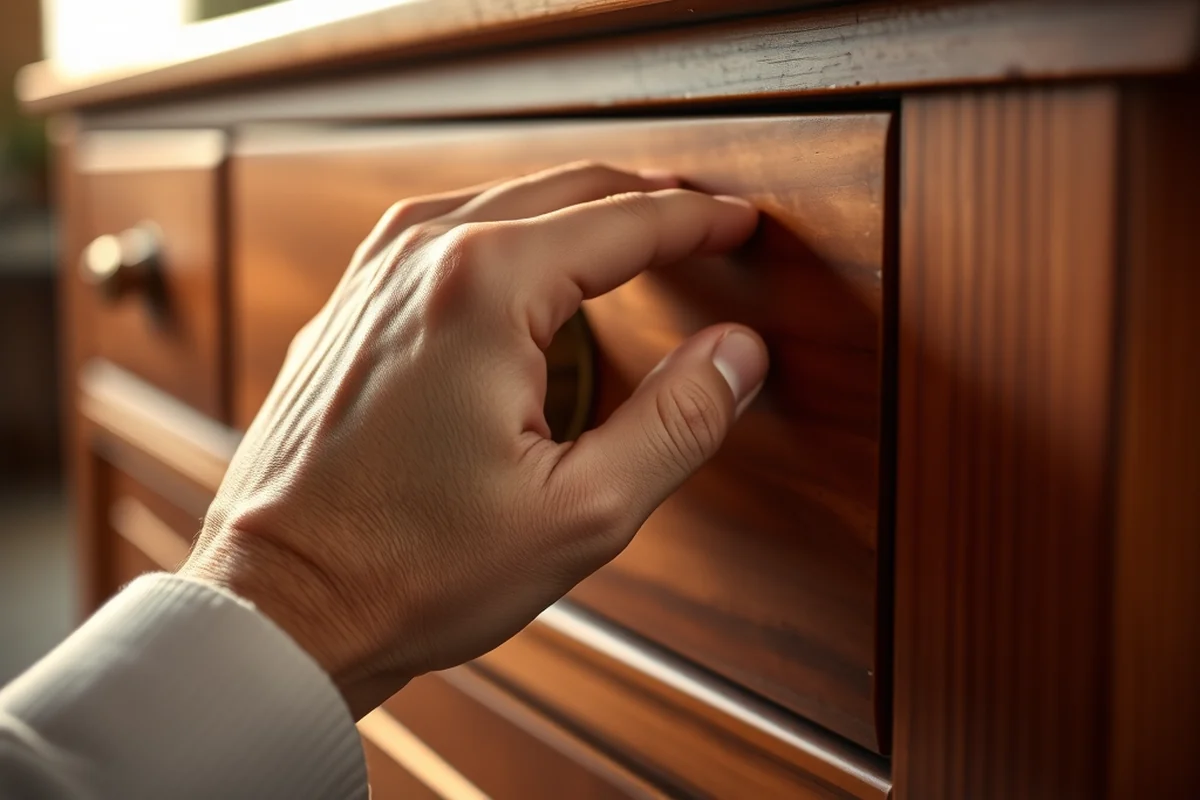
Unlike other wood finishes that sit on the surface, tung oil seeps into the wood and hardens as it dries. This creates a finish that’s not only beautiful but also highly durable. I’ve used it on my kitchen table, and after two years of daily use, it still looks and feels like new.
One of the things I love about tung oil for wood is that it brings out the natural grain of the wood. It doesn’t obscure or mask the wood — it enhances it. This is especially noticeable on darker woods like mahogany and walnut, where the grain becomes more pronounced.
Another benefit is that it’s easy to maintain. If it ever gets scratched or worn, you can simply reapply a thin coat of tung oil, and it’ll restore the finish without the need for complete refinishing.
Tung oil for wood is a finish that becomes part of the wood — not just a layer on top.
Related: Wood staining basics tools tips
How to Apply Tung Oil for Wood
Before applying any tung oil, it's important to clean the wood thoroughly. I always use a damp cloth to wipe down the surface and remove any dirt or debris. Then I sand it lightly with fine-grit sandpaper to create a smooth base for the finish.
I apply the first coat of tung oil using a clean cloth, working in the direction of the grain. It's important to apply it evenly and not to leave any streaks or puddles. Once the first coat is applied, I let it dry for 24 hours before applying the second coat.[2]
I usually apply three to four coats, allowing each one to dry completely before applying the next. After the final coat, I wipe the surface with a clean cloth to remove any excess oil and let it cure for a few weeks for the best results.
Always apply tung oil in a well-ventilated area. Work in small sections to ensure even coverage and avoid over-saturating the wood. I also recommend using a fine brush for edges and corners where a cloth might be difficult to use.[3]
“I first fell in love with tung oil for wood during a late-night project in my garage — a small, weathered coffee table I bought…”— Stainlane editors
Related: Best wood staining basics tools supplies
The Benefits of Using Tung Oil for Wood

One of the biggest benefits of using tung oil is its durability. It's highly resistant to water, heat, and scratches, making it ideal for high-traffic areas like kitchens and living rooms. I’ve used it on my kitchen table, and it's held up beautifully even after years of use.
Another benefit is that it enhances the natural beauty of the wood. It brings out the grain and gives the wood a rich, lustrous sheen that looks amazing in any home. It's a finish that doesn’t hide the wood — it highlights it.
Tung oil for wood is also easy to maintain. If the finish ever gets worn, you can simply apply a new coat and it'll restore the look of the wood without the need for refinishing.
Related: Diy wood staining basics tools supplies
Tung Oil for Wood vs. Other Finishes
Tung oil is often compared to polyurethane, which is a synthetic finish that forms a hard film on the wood. Unlike polyurethane, tung oil doesn't build up as it dries — it actually becomes part of the wood itself. This makes it feel more natural and less synthetic.
I’ve used both finishes on different projects, and I can tell you that tung oil for wood has a warmer, more natural look. It doesn’t create a plastic-like sheen, which some people find unappealing. It also doesn’t yellow over time like some other finishes can.
Another advantage of tung oil is that it's easier to maintain. If it ever gets scratched or worn, you can simply apply a fresh coat and it'll look like new — no need to strip and reapply the entire finish.
Related: Budget wood staining basics supplies
Common Uses for Tung Oil for Wood
I use tung oil on everything from kitchen tables to outdoor furniture. It's a versatile finish that works well on a wide range种 of wood surfaces. It's especially popular for use on dining tables, chairs, and cabinets, where durability and natural beauty are important.
Tung oil is also a great choice for wood flooring. It creates a smooth, lustrous finish that's resistant to scratches and water. I’ve used it on a few small projects, and it's always been a hit with clients.
Another common use is for decorative wood pieces, like picture frames and shelves. It adds a warm, natural sheen that enhances the look of the wood without making it look synthetic or plastic-like.
Tung oil for wood is a finish that works well on a wide variety of surfaces — from furniture to flooring.
Related: Wood staining basics tools supplies on a budget
The Curing Process of Tung Oil for Wood
After applying the final coat of tung oil, it's important to let it cure for at least a few weeks before using the wood. During this time, the oil continues to harden and become more resistant to water and scratches.
I usually wait about four weeks before using any furniture that I've finished with tung oil. This gives the finish enough time to fully cure and achieve its maximum hardness. It's a bit of a wait, but it's worth it for the long-term results.
During the curing process, it's important to keep the wood in a dry, well-ventilated area. I always make sure to avoid placing any heavy objects on the wood during this time to prevent any damage to the finish.
💰 Budget Build
Use basic tools and low-cost materials to finish a small piece of wood with a natural sheen.
⏰ Weekend Version
Finish a small piece of furniture in a single day using a few coats of tung oil and minimal effort.
✨ Upgraded Finish
Enhance the sheen and durability of your wood by applying multiple coats of tung oil and letting it cure properly.
🏠 Small-Space Adaptation
Finish small wooden items like picture frames or shelves using tung oil in a confined space with minimal tools.
🚪 Rental-Safe Option
Use tung oil for wood on rental property furniture without damaging the original finish or leaving a mark.
| The mistake | Why it happens | The fix |
|---|---|---|
| Applying too much tung oil in one coat | Applying too much oil can lead to a sticky or gummy finish that takes longer to cure and may not look natural. | Apply thin, even coats and allow each one to dry completely before applying the next. |
| Not sanding the wood before applying tung oil | Failure to sand the wood can result in an uneven finish that doesn’t penetrate properly into the grain. | Always sand the wood with fine-grit sandpaper before applying tung oil to create a smooth, even surface. |
| Applying tung oil in a humid or poorly ventilated area | Humidity and poor ventilation can slow down the drying process and may cause the finish to become cloudy or sticky. | Always apply tung oil in a well-ventilated area with good airflow to ensure proper drying and curing. |
| Using tung oil on a surface that’s already been treated with another finish | Applying tung oil over other finishes can lead to peeling or flaking, as it doesn’t adhere well to previously treated surfaces. | Always apply tung oil on bare, clean wood that has been properly sanded and cleaned. |
Tung Oil For Wood
Common Questions
How many coats of tung oil should I apply?
Can I use tung oil on outdoor wood furniture?
How long does it take for tung oil to cure?
Is tung oil safe to use indoors?
References
- Ore Bin / Oregon Geology magazine / journal (pubs.oregon.gov)
- wood finishes and stains - City of San Diego (sandiego.gov)
- A Historical Context and Archaeological Research Design for Work ... (dot.ca.gov)
Cite this guide
Stainlane (2026). Tung Oil For Wood. https://stainlane.com/tung-oil-for-wood/
Feel free to cite or share this guide.