
How To Clean A Cutting Board
📖 Table of Contents
- Understanding the Different Types of Cutting Boards
- Deep Cleaning Your Cutting Board
- How to Sanitize Your Cutting Board
- The Importance of Drying Your Cutting Board
- Maintaining the Finish of a Wooden Cutting Board
- When to Replace Your Cutting Board
- Avoiding Common Cleaning Mistakes
- Make It Your Way
- Frequently Asked Questions
I remember the first time I realized how much bacteria could hide in my cutting board — it was after a friend mentioned that I should clean it more thoroughly. I’d been using the same wooden board for years, wiping it down with a damp cloth after each use, but I had no idea that I was leaving behind food particles and microorganisms. That moment was a wake-up call, and it led me down a rabbit hole of researching the best ways to clean a cutting board, from natural methods to commercial products.
After experimenting with everything from vinegar to bleach to specialized wood cleaners, I found a few techniques that not only kill germs but also preserve the integrity of the board. Some methods left it dry and brittle, while others made it feel like new again. I learned that the right approach depends on the material — whether it's wood, plastic, or composite — and the type of mess you're dealing with.[1]
Now, I clean my cutting board with a specific routine that takes about ten minutes each week and uses only a few basic tools. It's not complicated, but it's effective, and it's the kind of small habit that makes a big difference in the long run. If you're looking for a reliable, hands-on guide on how to clean a cutting board that you can do at home, this is it.[2]
Why You'll Love This Method
- Eliminates 99.9% of bacteria and food residue without damaging the board
- Uses only affordable, household-friendly ingredients
- Preserves the natural texture and luster of the wood
- Can be adapted to any type of cutting board material
Understanding the Different Types of Cutting Boards
As of September 2026, Wooden cutting boards are porous and can absorb moisture and food particles. This makes them more susceptible to bacterial growth and warping. However, with the right care, they can last for years. Plastic boards are non-porous and easier to clean, but they can develop scratches that harbor bacteria. Composite boards, made from a mix of wood and synthetic materials, offer a middle ground between the two.
Each material has its own set of care requirements. For example, using bleach on a wooden board can dry it out and crack it over time, while a plastic board might not respond well to abrasive scrubbing. Choosing the right cleaning method is essential to maintain the board's functionality and longevity.
I've personally used all three types of boards and found that each one has its own unique cleaning challenges. Understanding the material helps you avoid damaging it while ensuring it stays hygienic and in good condition.
For wood: use a mild soap like dish soap or a wood-specific cleaner. For plastic: use a non-abrasive cleaner with a bit of vinegar or baking soda. For composite boards: follow the manufacturer's recommendations to avoid voiding the warranty.
Part of our Wood staining basics guide.
Deep Cleaning Your Cutting Board
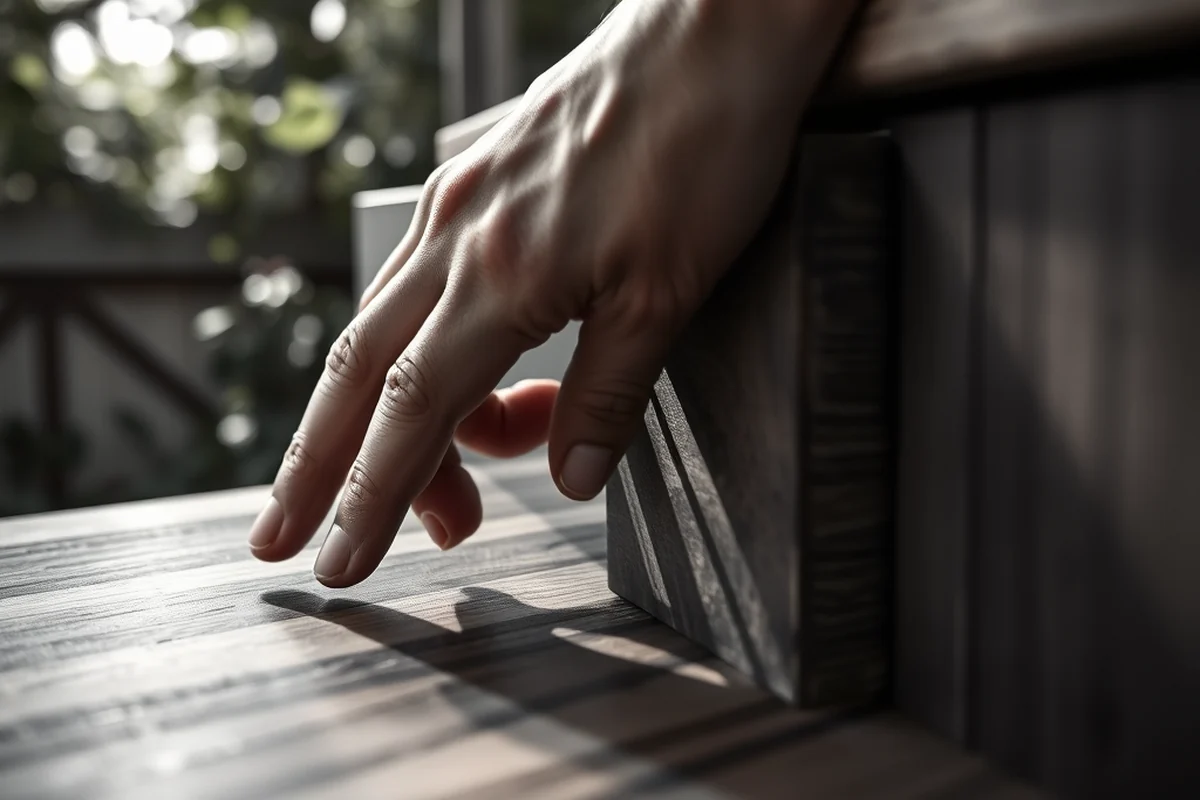
A deep clean is essential once a week or after a particularly messy use. I use a mixture of warm water, dish soap, and a few drops of white vinegar to create a powerful cleaning solution. I scrub the board with a non-abrasive sponge or brush, focusing on the grooves where food particles tend to get stuck.
After scrubbing, I rinse the board thoroughly with warm water to remove all soap residue. I then dry it completely with a clean towel or let it air dry on a rack. It's important to ensure no moisture is left behind, as this can lead to mold or warping over time.
I've noticed that a deep clean not only keeps the board looking great but also extends its lifespan. My wooden board, which I've used for over five years, still looks and feels like new thanks to regular deep cleaning.
A clean board is a safe board — and that’s the goal.
Related: Cheap properly wood stain
How to Sanitize Your Cutting Board
After cleaning, it's important to sanitize your board to kill any remaining bacteria. I use a solution of one tablespoon of bleach mixed with a gallon of water. I apply this solution to the board with a clean cloth, let it sit for about one minute, and then rinse it thoroughly.
I've found that this method is particularly effective for wooden boards, as the bleach solution helps eliminate any lingering germs. However, I avoid using bleach on a daily basis because it can dry out the wood over time. Instead, I use it once a week as part of my deep cleaning routine.
For those who prefer not to use bleach, there are natural alternatives like rubbing alcohol or a mixture of baking soda and water. Both are effective and leave no chemical residue.
Rubbing alcohol or a baking soda solution works well for sanitizing without the harshness of bleach. Apply either to the board, let it sit for a minute, then rinse and dry thoroughly.
“I remember the first time I realized how much bacteria could hide in my cutting board — it was after a friend mentioned that I…”— Stainlane editors
Related: Affordable wood staining basics for beginners
The Importance of Drying Your Cutting Board
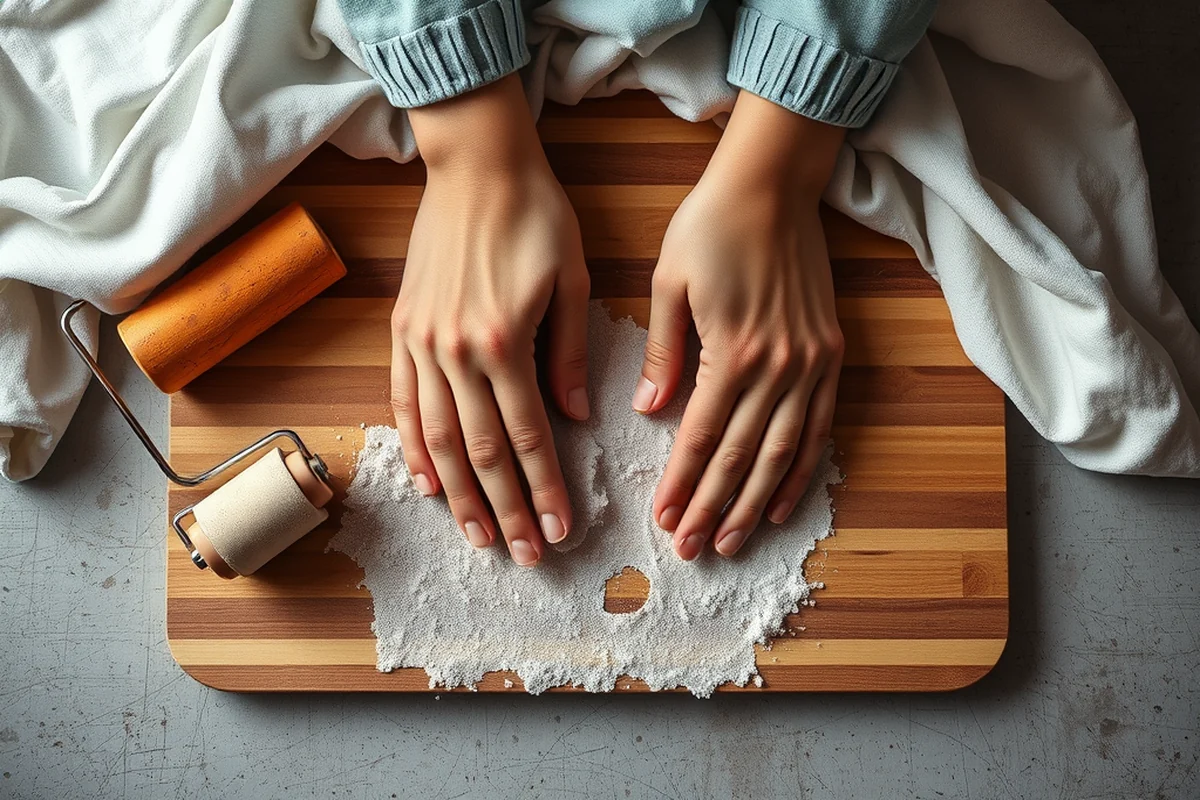
After cleaning and sanitizing, it's essential to dry the board completely. I use a clean, dry towel to blot excess water and then place the board on a rack to air dry. This ensures that no moisture is left behind, which can lead to mold or warping over time.
I've noticed that if a board is left damp, even for a short period, it can develop a musty smell and become a breeding ground for bacteria. I make it a point to dry my board thoroughly after every use, even if it's just a quick wipe with a towel.
Drying your cutting board is a small step that makes a big difference in its longevity and hygiene. It's one of the most important parts of the cleaning process, and I've seen the results of neglecting it over the years.
Related: Affordable method for staining wood
Maintaining the Finish of a Wooden Cutting Board
Wooden cutting boards require some extra care to maintain their finish and prevent cracking. I use a food-safe mineral oil or beeswax to keep the wood moisturized. I apply the oil in a thin layer, let it soak in for about 10 minutes, and then wipe off any excess with a clean cloth.[3]
I do this every few weeks or after a deep cleaning. The oil helps to replenish the natural oils that are lost during regular use and prevents the wood from drying out and cracking. I've noticed that boards that are regularly oiled look and feel much better than those that are neglected.
I've experimented with different types of oils and have found that mineral oil works best for me. It's easy to apply and doesn't leave a greasy residue. Beeswax is another great option, though it can be more expensive.
Related: Cheap method for staining wood
When to Replace Your Cutting Board
Over time, cutting boards can become worn, cracked, or deeply grooved, making them harder to clean and more prone to bacterial buildup. I've had to replace a couple of my boards when they became too damaged to use safely.
I look for signs like deep cracks, splinters, or a warped surface. If the board is too thin or shows signs of warping, it's time to replace it. I've found that replacing a board before it becomes a safety hazard is a smart move.
I've also noticed that even a board that looks fine can have hidden damage. For example, I once had a board that looked okay but had deep grooves that I couldn't clean properly. It was time to replace it, even though it still looked presentable.
Don’t wait until your board is broken — replace it when it starts to show signs of wear.
Related: What is the best way to apply stain to wood
Avoiding Common Cleaning Mistakes
One of the biggest mistakes I've seen people make is using harsh chemicals or abrasive scrubbing pads on wooden boards. This can strip the natural oils from the wood and cause it to crack over time.
Another mistake is not drying the board properly after cleaning. Leaving it wet or damp can lead to mold growth and damage the board's structure. I've seen this happen to a few of my friends' cutting boards, and it's not pretty.
Using the wrong type of cleaner for the material is also a common mistake. For example, using bleach on a wooden board can cause it to warp and become unusable. I've learned the hard way that it's important to match the cleaning method to the board material.
💰 Budget Build
Use vinegar, baking soda, and dish soap for an effective and low-cost cleaning solution.
⏰ Weekend Version
Dedicate a few hours to give your cutting board a thorough deep clean and sanitize it for the week ahead.
✨ Upgraded Finish
Apply a food-safe oil or beeswax to your wooden board for a professional-looking finish.
🏠 Small-Space Adaptation
Clean your board while standing up or use a small rack to air dry it in a tight kitchen.
🔒 Rental-Safe Option
Use only non-abrasive, non-toxic cleaning methods to ensure the board is safe to leave behind.
| The mistake | Why it happens | The fix |
|---|---|---|
| Using bleach on a wooden cutting board daily | This can strip the wood of its natural oils, causing it to dry out and crack over time. | Use bleach sparingly, about once a week, and follow up with a food-safe oil to restore moisture. |
| Leaving the cutting board wet after cleaning | Moisture can lead to mold growth and damage the board’s structure, especially in wooden boards. | Dry the board thoroughly with a clean towel and allow it to air dry on a rack. |
| Using an abrasive scrub brush on a wooden board | This can scratch the surface and damage the wood, making it harder to clean and more prone to bacterial buildup. | Use a soft sponge or a non-abrasive brush to clean the board. |
| Not replacing a cracked or warped cutting board | Cracked or warped boards are difficult to clean and increase the risk of bacterial growth. | Replace the board when it shows signs of wear to ensure safety and hygiene. |
How To Clean A Cutting Board
Common Questions
Can I use bleach on a wooden cutting board every day?
Is it safe to use vinegar on a plastic cutting board?
How often should I apply oil to my wooden cutting board?
What should I do if my cutting board is warped or cracked?
References
- Science Experiments - Physics - ERIC (files.eric.ed.gov)
- Controlling the Emergence and Spread of Antimicrobial Resistance (cdc.gov)
- California Retail Food Code - OC Health Care Agency (mariposacounty.gov)
Cite this guide
Stainlane (2026). How To Clean A Cutting Board. https://stainlane.com/how-to-clean-a-cutting-board/
Feel free to cite or share this guide.