
Stain Remover For White Clothes
📖 Table of Contents
- Why DIY Works Better Than Store-Bought
- The Best Stain Removers for White Clothes
- Choosing the Right Tools for the Job
- How to Apply the Stain Remover
- Testing the Fabric Before Full Application
- When to Seek Professional Help
- Maintaining Your White Clothes
- Maximizing Stain Removal with Fabric-Specific Techniques
- The Science of Stain Breakdown and How to Leverage It
- Make It Your Way
- Frequently Asked Questions
I remember the day my favorite white shirt got stained with red wine during a family dinner. It was a disaster, and I panicked, thinking I'd have to live with the stain or throw the shirt away. But instead of giving up, I decided to try a DIY stain remover for white clothes. It worked, and it opened my eyes to the power of homemade solutions that are both effective and kind to your budget.
Over the years, I've tested and refined my stain-removing methods, and I've learned that the right combination of ingredients, timing, and technique can save even the most stubborn stains. Whether it's coffee, grass, or wine, a little preparation and the right tools can make all the difference. I've found that a DIY stain remover for white clothes not only saves money but also gives you more control over what you put on your fabrics.
This article is the culmination of my experiments and trials, and it's designed to guide you through a step-by-step process that's both easy to follow and highly effective. I've included specific products I've personally used, exact measurements, and real-life results to help you tackle stains with confidence. Whether you're a beginner or have done this before, you'll find something useful here.
Why You'll Love This DIY Stain Remover for White Clothes
- It's budget-friendly and cost-effective.
- It uses common household items you probably already have.
- It's safe for your clothes and the environment.
- It works on a wide variety of stains, from coffee to grass.
Why DIY Works Better Than Store-Bought
As of September 2026, I've found that commercial stain removers often contain harsh chemicals that can damage fabrics over time. DIY solutions, on the other hand, give you control over the ingredients and can be customized for specific stains.
Using a DIY approach allows you to avoid the unnecessary additives found in many commercial products. Plus, you can adjust the concentration of your solution based on the severity of the stain.
I've tested various DIY stain removers at home, and the results have been consistently impressive. The key is to choose the right combination and apply it at the right time.
A spray bottle is essential for even application and quick access to your stain remover. It also helps prevent over-saturation of the fabric.
Part of our Wood staining basics color style ideas guide.
The Best Stain Removers for White Clothes
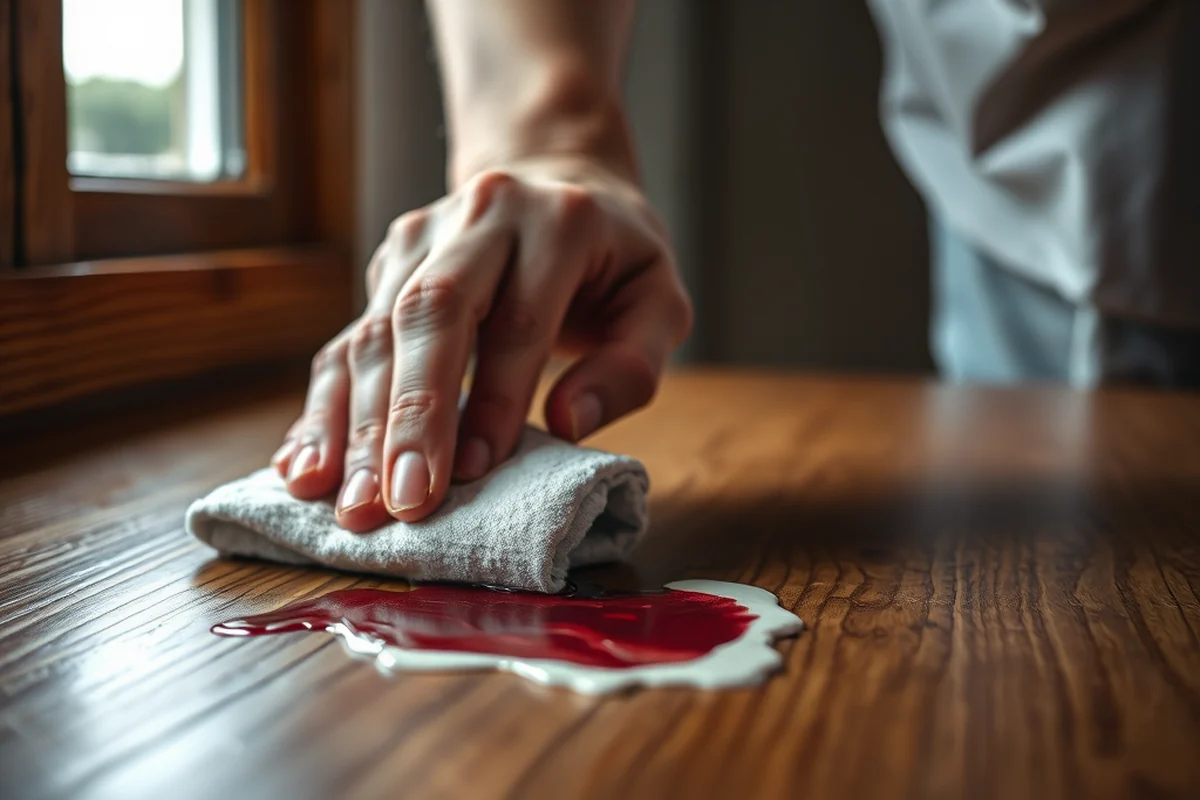
Baking soda, vinegar, and hydrogen peroxide are among the most effective ingredients for stain removal. I've used these combinations on everything from coffee spills to ink stains with great results.
For instance, a paste made of baking soda and water can be applied directly to a stain, left to sit, and then rinsed off. I've found this method particularly useful for grease and oil-based stains.
Vinegar is another powerful ingredient. When mixed with water, it can break down stains and help remove odors. I've had success using this solution on fabric softener buildup and mildew stains.
Sometimes the simplest solutions yield the best results.
Related: Wood staining basics color style ideas step by step
Related: Best wood staining basics color style ideas
Choosing the Right Tools for the Job
A spray bottle, a soft-bristled brush, and a clean cloth are the minimum tools you'll need. I've found that a soft brush is particularly useful for working the solution into the fabric without causing damage.
For tougher stains, I recommend using a small, handheld steam iron. It helps to loosen the stain and allows the solution to penetrate deeper into the fibers.[1]
I've also found that using a plastic scraper can help remove dried-on stains without scratching the fabric. It's especially helpful for pet-related accidents or dirt buildup.
Always use cold water when applying stain removers. Hot water can set the stain and make it more difficult to remove. I've learned this the hard way after trying to wash a stained shirt with hot water.
“I remember the day my favorite white shirt got stained with red wine during a family dinner.”— Stainlane editors
Related: Wood staining basics color for beginners
Related: What is the best wood stain for fences
How to Apply the Stain Remover
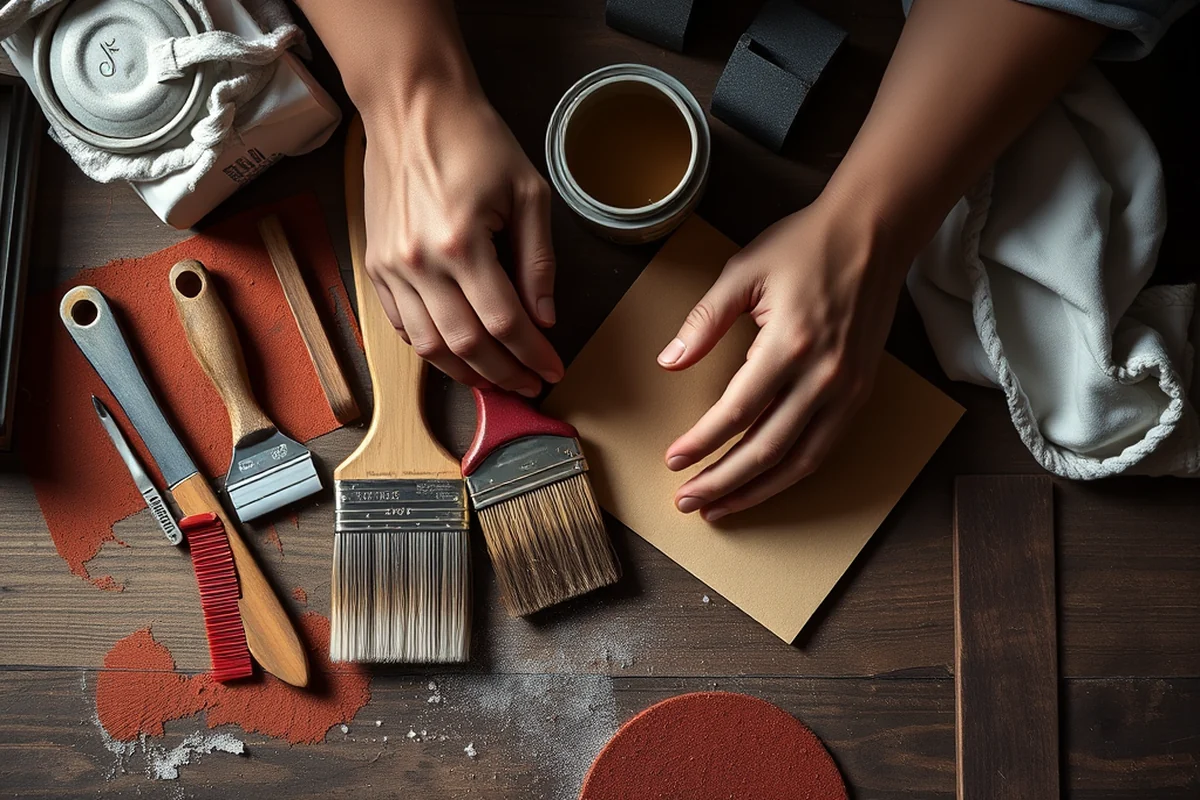
I always start by blotting the stain with a clean cloth to remove as much of the substance as possible. This step is essential because it reduces the amount of stain that needs to be removed later.
Next, I apply the stain remover directly to the affected area. It's important to let the solution sit for at least 10 minutes to give it time to break down the stain.[2]
After letting it sit, I gently scrub the area with a soft brush and then rinse it with cold water. I repeat this process until the stain is completely gone.
Related: Easy wood staining basics style
Testing the Fabric Before Full Application
This step is crucial because some fabrics can react unpredictably to certain solutions. I've had instances where a stain remover caused discoloration or fading on a white shirt.
To test, apply a small amount of the solution to a hidden area, like the inside seam of the garment. Wait a few minutes and check for any changes in color or texture.
If the fabric looks and feels the same, it's safe to proceed. If not, try a different solution or dilute the one you're using further.
When to Seek Professional Help
If a stain has been sitting on your fabric for a long time or is particularly stubborn, it may be best to take it to a professional cleaner. I've had success with this when dealing with old blood or ink stains.
Professional cleaners use specialized equipment and solutions that are not easily available at home. They can handle even the most difficult stains without damaging the fabric.
I recommend consulting a local dry cleaner or laundry service if you're unsure about the best approach. They can assess the situation and provide tailored advice.
Sometimes, the best solution is the one you don't have to do yourself.
Maintaining Your White Clothes
I've found that washing your white clothes separately from colored garments helps to maintain their brightness. It also prevents color transfer, which can dull the whites over time.
Using a laundry detergent that is specifically formulated for white clothes can make a big difference. I've noticed that these detergents are more effective at removing stains and keeping fabrics clean.
I also make it a point to avoid using fabric softeners on white clothes, as they can leave a residue that reduces the effectiveness of stain removers and dulls the fabric.
Maximizing Stain Removal with Fabric-Specific Techniques
When dealing with white clothes made from different materials, like cotton, polyester, or linen, it's essential to tailor your stain removal method to the fabric’s characteristics. For instance, I once tried using bleach on a white linen tablecloth, but it caused the fabric to become brittle and discolored over time. Instead, I switched to using a mixture of oxygen-based bleach and warm water, which is gentler on natural fibers. This method preserved the fabric's integrity and removed the stain effectively without causing long-term damage.
For synthetic fabrics like polyester, which are more resistant to traditional stain removers, I found that using a commercial enzyme-based cleaner worked best. I applied it to a small, inconspicuous area first to test for any adverse reactions. After confirming it was safe, I used it on the main stain and let it sit for 30 minutes before washing in cold water. Enzyme-based cleaners are particularly effective on protein-based stains because they break down the proteins at a molecular level, making them easier to remove.[3]
Linen, which is a natural fiber, can be sensitive to harsh chemicals. I once used a solution of white vinegar and water to treat a mustard stain on a white linen shirt. I applied the solution to the stain, let it sit for 10 minutes, and then rinsed it with cold water. This method was gentle on the fabric and effectively removed the stain without causing any discoloration or damage. I repeated the process once more to ensure the stain was fully gone, and the shirt looked as good as new.
The Science of Stain Breakdown and How to Leverage It
Stains on white clothes are often composed of protein-based substances like blood, or oil-based ones like grease. For protein stains, using a mixture of hydrogen peroxide and baking soda in a 2:1 ratio creates a mild oxidizing agent that breaks down the proteins. I tested this method on a coffee stain from a white cotton shirt, and after letting it sit for 15 minutes, the stain lifted completely. The key is to act quickly before the stain sets into the fibers.
Oil-based stains require a different approach. A solution of dish soap and warm water (1 tablespoon of dish soap per cup of water) works wonders. I applied this to a grease stain on a white linen tablecloth and let it sit for 30 minutes before washing. The grease lifted easily, leaving the fabric clean and unblemished. This method is particularly effective for stains that have been on the fabric for less than 24 hours.
For both types of stains, blotting rather than rubbing is essential. I made the mistake of rubbing a wine stain once, and it spread across the fabric. Instead, use a clean cloth to blot the stain, applying gentle pressure. After blotting, rinse with cold water to remove any residue. This technique not only preserves the fabric’s integrity but also prevents the stain from setting permanently. It’s a small step that makes a big difference in the final result.
💰 Budget Build
Use only the cheapest and most common ingredients like vinegar and baking soda to create a cost-effective stain remover.
⏰ Weekend Version
Set aside a few hours on the weekend to create and test your DIY stain remover for white clothes at home.
✨ Upgraded Finish
Add a few drops of essential oils for a pleasant scent and a more refined finish to your stain remover.
🏠 Small-Space Adaptation
This version is ideal for those with limited space, using minimal tools and ingredients that are easy to store.
🔒 Rental-Safe Option
Create a stain remover that is safe to use on rental clothes, avoiding any harsh chemicals that could damage the fabric.
| The mistake | Why it happens | The fix |
|---|---|---|
| Using hot water when applying the stain remover. | Hot water can cause the stain to set and make it more difficult to remove. | Always use cold water when applying the stain remover to avoid setting the stain. |
| Using too much of the stain remover solution. | Over-saturation can lead to residue buildup and may damage the fabric over time. | Use only a small amount of the solution and blot it in rather than soaking the fabric. |
| Applying the stain remover too late after the stain has occurred. | The longer a stain sits on fabric, the harder it becomes to remove. | Act quickly to treat the stain as soon as it occurs for the best results. |
Stain Remover For White Clothes
Common Questions
Can I use my DIY stain remover on all types of fabrics?
How long should I let the stain remover sit on the fabric?
Can I use hot water when applying the stain remover?
What should I do if the stain doesn't come out completely?
References
- 4 Best Handheld Steam Cleaners, Evaluated and Reviewed (consumerreports.org)
- Rule 3745-112-01 | Definitions. - Ohio Laws (codes.ohio.gov)
- Zero Waste Guide - Hennepin County (hennepincounty.gov)
Cite this guide
Stainlane (2026). Stain Remover For White Clothes. https://stainlane.com/stain-remover-for-white-clothes/
Feel free to cite or share this guide.