
What Is Black Wood Stain
📖 Table of Contents
- What Is Black Wood Stain?
- How Does Black Wood Stain Work?
- Choosing the Right Type of Black Wood Stain
- Applying Black Wood Stain: Step-by-Step
- How to Achieve a Matte Finish with Black Wood Stain
- Black Wood Stain for Outdoor Use
- Common Mistakes and How to Avoid Them
- Make It Your Way
- Frequently Asked Questions
I remember the first time I used black wood stain on an old pine table — it transformed the piece from a dull, yellowed relic into a bold, modern centerpiece. That day, I realized how powerful a simple finish could be. Black wood stain isn't just about color; it's about creating depth, contrast, and a sense of luxury in your home. It's a tool that can elevate any project, whether you're refinishing furniture or adding character to a cabinet.
Before I started working with black wood stain, I assumed it was a one-size-fits-all product. That couldn't be further from the truth. Black wood stain comes in a variety of formulations, from water-based to oil-based, each with its own unique benefits and drawbacks. I learned the hard way that choosing the right stain can mean the difference between a finish that lasts for years and one that chips within weeks. Understanding what black wood stain actually is — and how it works — is crucial for anyone looking to use it effectively.
I've used black wood stain on everything from dining room chairs to outdoor benches, and each project has taught me something new. The key, I found, is to understand the properties of the stain and how they interact with different types of wood. For example, on a softwood like pine, black wood stain tends to sink in more deeply, requiring multiple coats and careful sanding between them. On harder woods like oak or maple, the finish is more even and requires less work. These nuances make black wood stain a fascinating and versatile part of the DIY toolkit.
Why You'll Love This Project
- Adds a bold, modern aesthetic to any furniture or decor piece
- Enhances the natural grain and texture of the wood
- Creates a high-contrast, eye-catching look that stands out in any room
- Can be used on both indoor and outdoor wood surfaces with the right formulation
What Is Black Wood Stain?
As of September 2026, at its core, black wood stain is a colored finish designed to darken wood without completely covering it. It's typically available in water-based and oil-based forms, each with their own advantages. Water-based stains are easier to clean up and dry faster, while oil-based stains tend to offer a richer, more durable finish. I've found that oil-based stains are better for long-term use, especially on furniture that sees a lot of traffic.
Black wood stain works by penetrating the wood's surface and altering the way light reflects off it. This makes the wood appear deeper and richer, especially on lighter woods. The effect is most dramatic on softwoods like pine or fir, where the contrast between the natural wood and the stain is most pronounced. On hardwoods like walnut or mahogany, the effect is more subtle but still striking.
One thing I learned early on is that black wood stain isn't just about aesthetics — it also has practical benefits. It can protect the wood from UV damage, especially when used on outdoor furniture. I've used it on a garden table, and after a year of sun exposure, the wood hasn't faded or warped as much as the untreated pieces nearby.
Before you start, test the stain on a small, inconspicuous area of the wood to see how it looks and behaves. This helps you avoid unexpected results once you're ready to apply it fully.
Part of our Wood staining basics guide.
How Does Black Wood Stain Work?
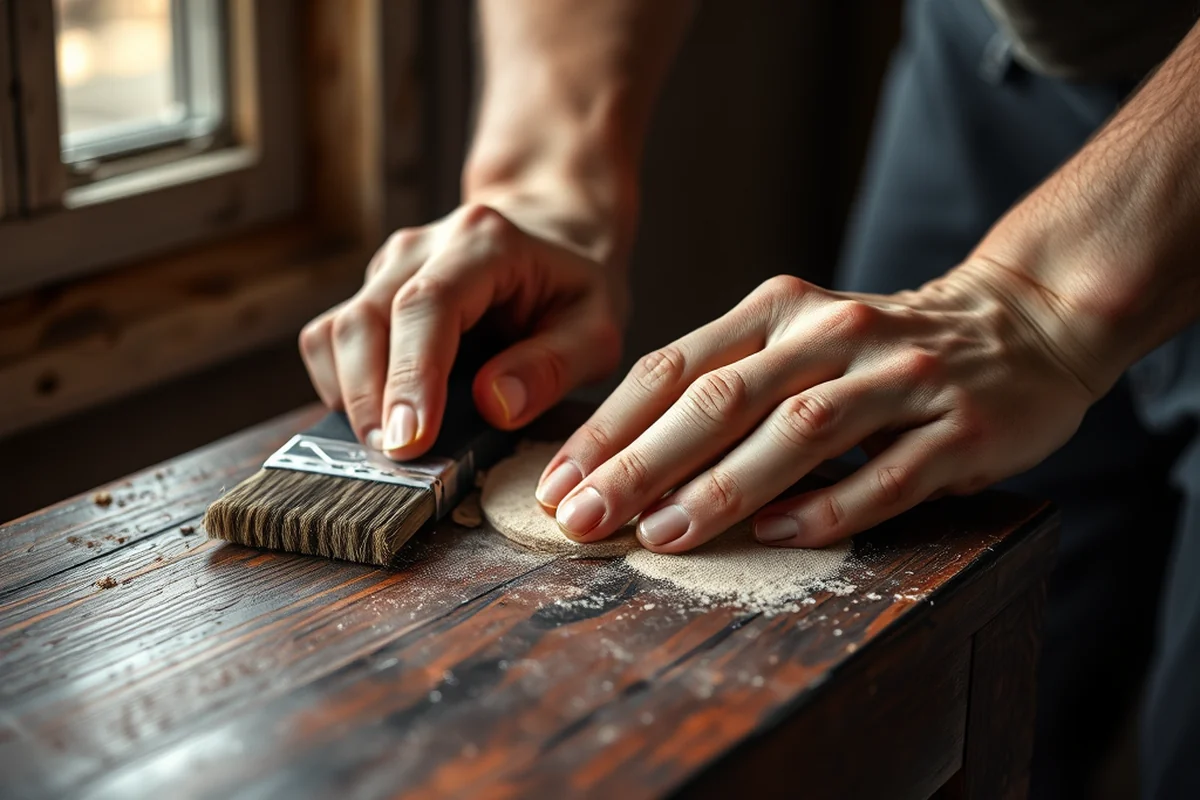
When black wood stain is applied to a wood surface, it seeps into the grain and fills in the pores. This process makes the wood look darker and more even. I've noticed that the amount of penetration depends heavily on the wood type — softer woods like pine absorb more stain, while harder woods like maple take it more evenly.
The stain doesn't just sit on top of the wood — it interacts with the fibers, creating a chemical bond that helps it last longer. This is why I always recommend letting the stain cure for at least 24 to 48 hours before applying a top coat. This curing time allows the stain to fully bond with the wood, improving the overall durability of the finish.[1]
One of the best things about black wood stain is that it doesn't hide the wood's natural texture — instead, it enhances it. This is especially true when you're working with natural wood that has a lot of character. I've used it on an old oak desk, and it made the grain pop in a way I didn't expect.
Black wood stain doesn't just color the wood — it transforms it.
Related: Prepare wood for staining comparison
Choosing the Right Type of Black Wood Stain
There are two main types of black wood stain: water-based and oil-based. Water-based stains are easier to work with and clean up, but they tend to dry faster and may not offer the same richness as oil-based stains. I've used water-based stain on a couple of projects, and while it was easy to apply, the finish didn't have the same depth as the oil-based ones.
Oil-based black wood stain is more durable and offers a richer, deeper color. It's also more forgiving with mistakes, as you can usually sand it down and reapply it without worrying about the finish being too brittle. However, oil-based stains take longer to dry and require more care during application.
Another thing to consider is the sheen of the finish. Some black wood stains come with a matte finish, while others have a slight sheen. I found that a matte finish works best for furniture that's used daily — it's less likely to show scratches and fingerprints.
Always test the stain on a small area of the wood before applying it to the entire piece. This helps you see how the color reacts and how it might look over time.
“I remember the first time I used black wood stain on an old pine table — it transformed the piece from a dull, yellowed relic…”— Stainlane editors
Related: Natural method for staining wood
Applying Black Wood Stain: Step-by-Step
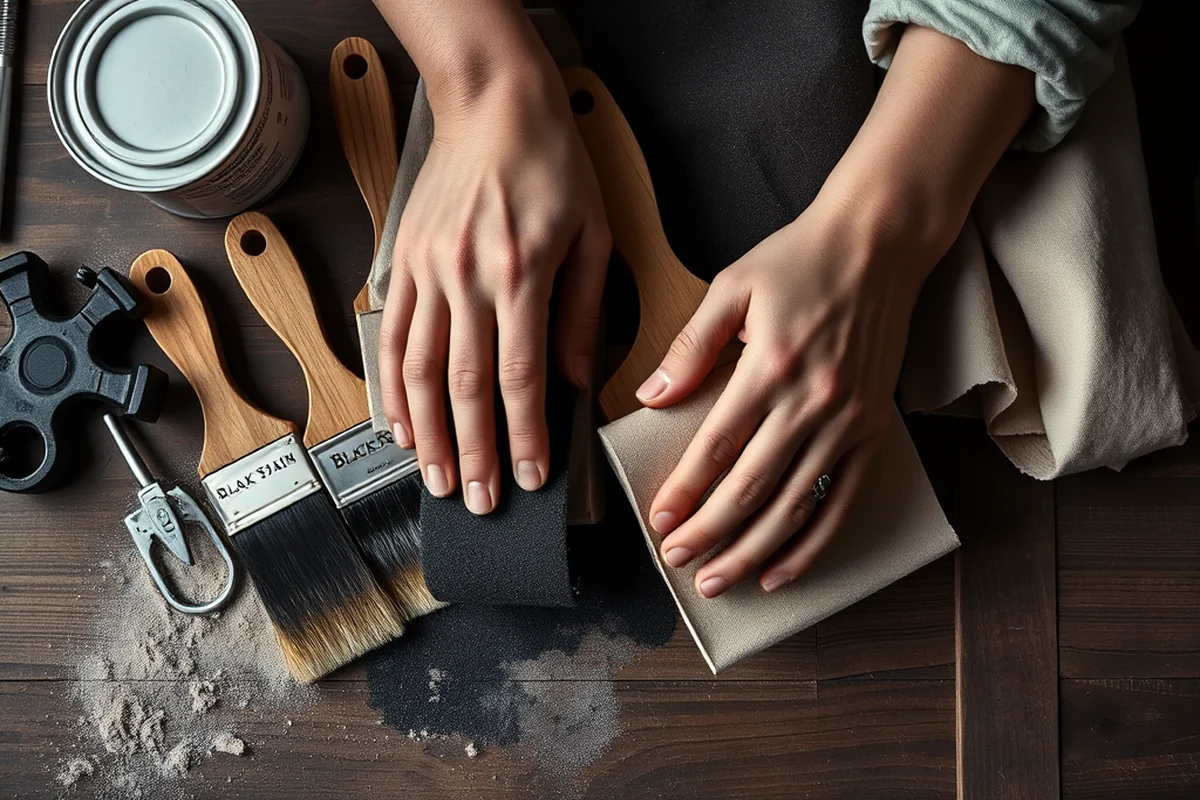
The first step in applying black wood stain is to make sure the wood is clean and free of any dirt, dust, or old finishes. I always start by sanding the surface with 220-grit sandpaper to create a smooth base. This helps the stain adhere better and creates a more even finish.[2]
Once the wood is prepared, you can apply the stain with a brush or a cloth. I've found that using a brush gives more control, especially when working on intricate pieces. Apply the stain in even strokes, making sure to cover the entire surface. Let it sit for a few minutes to penetrate the wood before wiping off the excess.
After the first coat dries, I always sand the surface again with 220-grit sandpaper before applying a second coat. This helps achieve a deeper, more even color. Once the final coat is applied, it's best to let the stain cure for at least 24 to 48 hours before applying a top coat.
Related: Natural wood staining basics tips
How to Achieve a Matte Finish with Black Wood Stain
If you're aiming for a matte finish, it's important to choose a stain that's designed for this look. I've used a few different matte black wood stains, and some are better than others. The key is to apply the stain evenly and to avoid over-saturating the wood.
After the stain has dried, I recommend lightly sanding the surface with fine-grit sandpaper to help achieve an even texture. This step is especially important if the stain has a slight sheen and you want it to look more matte. Once the surface is smooth, you can apply a topcoat that's specifically designed for matte finishes.[3]
Using a topcoat not only helps reduce the sheen but also protects the wood from scratches and wear. I've used a water-based matte topcoat on several projects, and it's worked well for both indoor and outdoor furniture.
Related: Fast prepare wood for staining
Black Wood Stain for Outdoor Use
Using black wood stain on outdoor furniture is a great way to add a bold, modern look to your yard or patio. However, it's important to choose a stain that's designed for outdoor use. I've used a few different brands, and some are better suited for the elements than others.
One of the key differences between indoor and outdoor stains is the level of protection they offer. Outdoor stains typically contain UV inhibitors to prevent fading and are more resistant to moisture and temperature changes. I've noticed that the ones with UV protection last much longer than the ones without, even after several seasons of use.
When applying black wood stain to outdoor furniture, it's also a good idea to apply a clear topcoat that's designed for exterior use. This helps protect the wood from rain, sun, and other environmental factors. I've used a water-based topcoat that's both weather-resistant and easy to apply.
Black wood stain can transform your outdoor space — just make sure it's the right kind.
Related: Stain for wood explained
Common Mistakes and How to Avoid Them
One of the most common mistakes I've seen is not preparing the wood properly. If the surface isn't clean or smooth, the stain may not adhere well, leading to an uneven finish. I've had to sand and reapply stain on a few projects because the initial preparation wasn't thorough enough.
Another mistake is applying too much stain, which can make the wood look blotchy or overly dark. I've found that applying thin, even coats and wiping off the excess works best. This helps the stain penetrate the wood without overwhelming it.
Lastly, skipping the topcoat is a big mistake. The topcoat helps protect the wood and enhances the finish. I've noticed that pieces without a topcoat tend to wear more quickly and are more prone to scratches and fading.
💰 Budget Build
Use affordable materials like water-based black wood stain and basic tools to achieve a dramatic look without spending much.
⏰ Weekend Version
Finish a small project like a side table or chair in one weekend with minimal effort and time.
✨ Upgraded Finish
Use high-quality oil-based black wood stain and a premium topcoat for a professional, long-lasting finish.
🛋️ Small-Space Adaptation
Apply black wood stain to a small piece like a stool or a shelf to add a bold touch to a compact room.
🏠 Rental-Safe Option
Choose a low-odor, water-based black wood stain that's safe to use in rental properties without damaging the surface.
| The mistake | Why it happens | The fix |
|---|---|---|
| Not preparing the wood properly | If the wood isn't clean or sanded, the stain may not adhere evenly, leading to an uneven or blotchy finish. | Always clean and sand the wood thoroughly before applying any stain to ensure the best results. |
| Applying too much stain | Too much stain can cause the wood to look overly dark or blotchy, which can be difficult to correct later. | Apply thin, even coats and wipe off the excess with a clean cloth to avoid over-saturation. |
| Skipping the topcoat | The topcoat protects the wood and enhances the finish, but skipping it can lead to faster wear and fading. | Always apply a topcoat after the stain has dried to help protect and preserve the finish. |
| Using the wrong type of stain for the wood | Different types of wood absorb stain differently, and using the wrong type can lead to unexpected results. | Test the stain on a small area of the wood before applying it to the entire piece to ensure it works well. |
What Is Black Wood Stain
Common Questions
Can I use black wood stain on both indoor and outdoor furniture?
How long does black wood stain take to dry?
Do I need to sand the wood before applying black wood stain?
Can I apply multiple coats of black wood stain?
References
Cite this guide
Stainlane (2026). What Is Black Wood Stain. https://stainlane.com/what-is-black-wood-stain/
Feel free to cite or share this guide.