
What Is Water Based Wood Stain
📖 Table of Contents
The first time I used water-based wood stain, I was halfway through refinishing an old oak coffee table I'd bought at a flea market. I remember the smell — it was faint, almost like a clean room after a storm. I had expected the same harsh chemical stench of oil-based products I'd used before, but instead, there was a subtle, almost refreshing aroma. I wasn’t sure if the stain would work, but after applying it with a brush, the wood seemed to drink it up. Within minutes, the grain was visible, and I realized I was dealing with something entirely different from the stains I’d used in the past.[1]
Water-based wood stain is a game-changer for anyone who wants to transform old furniture or finish new wood projects without the headaches of toxic fumes or long drying times. I’ve used both oil-based and water-based stains over the years, and the latter has always been the clear winner in terms of user experience. It’s faster, safer, and easier to clean up. I remember one time, when I spilled some on my countertop, I just wiped it off with a damp cloth and walked away, no residue, no mess — that kind of convenience is worth mentioning.
But what exactly is water-based wood stain, and why should you care? It’s a low-VOC formula that uses water as the primary solvent instead of petroleum-based products. This makes it a better choice for indoor projects, especially for people with children or pets. I’ve also found that it works well on both interior and exterior wood, from deck railings to kitchen cabinets. The real question is: if you’re looking for a wood stain that’s eco-friendly, easy to use, and delivers a beautiful finish, then water-based might be the right choice for you.[2]
Why You'll Love This Wood Stain
- Safe to use indoors with minimal fumes and odor
- Quick-drying for faster project completion
- Easy to clean up with just soap and water
- Ideal for both beginners and experienced DIYers
What Is Water-Based Wood Stain?
As of September 2026, Water-based wood stain is a type of finish that uses water as the primary solvent, allowing it to be applied with a brush, roller, or even sprayed. Unlike oil-based stains, which require mineral spirits for cleanup, water-based options can be cleaned off with just soap and water. I used this on my first DIY project, a set of bookshelves, and I was amazed at how easily I could clean my hands and tools afterward. The stain also dries faster, which is a huge plus for anyone who wants to see their project come together quickly.
One of the biggest advantages of water-based wood stain is its low volatile organic compound (VOC) content. This means it’s safer for indoor use, especially in homes with children or pets. I remember using it in my living room without any issues, and my dog didn’t seem to mind the smell at all. It’s also more forgiving — if you make a mistake, you can easily wipe it off before it dries.
This type of stain is also more environmentally friendly. It doesn’t release the same harsh fumes as oil-based options, and it’s often made with biodegradable ingredients. I’ve used several brands over the years, and I’ve always appreciated that I can use it in my home without worrying about the long-term effects on air quality. For eco-conscious DIYers, it’s a no-brainer.
I always use a natural fiber brush when applying water-based stain. Synthetic brushes can leave behind a dull finish, while natural bristles help the stain penetrate the wood evenly.
Part of our Wood staining basics guide.
How It Differs From Oil-Based Stain
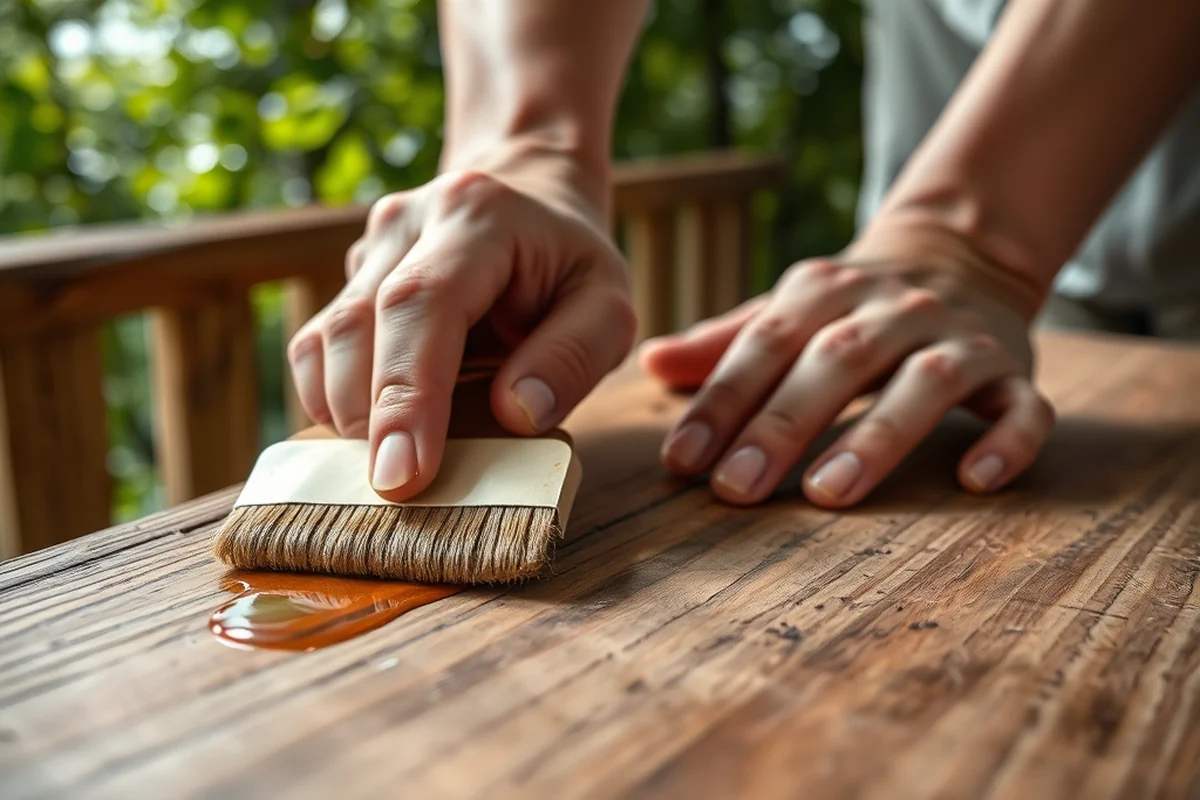
Oil-based wood stain is heavier and takes longer to dry, often requiring several hours or even a full day before it’s ready for another coat. I remember once using oil-based stain on a dining table and having to wait over 24 hours between coats, which was frustrating. Water-based stain, on the other hand, dries in about an hour, which is a huge time-saver for anyone working on a tight schedule.[3]
Another key difference is the cleanup process. Oil-based stain requires mineral spirits or paint thinner, which can be messy and a bit smelly. I’ve had to work in a well-ventilated area just to deal with the fumes. Water-based stain, however, can be cleaned up with just soap and water, which is much easier for both the user and the environment.
In terms of finish, water-based stain tends to be more transparent, which is great for showing off the natural grain of the wood. I’ve used it on my kitchen cabinets and loved how it enhanced the wood’s natural beauty without covering it up completely. Oil-based stain can sometimes leave a more opaque finish, which may not be ideal for those looking for a more authentic wood look.
Water-based stain dries faster and is easier to clean up — a DIYer’s dream.
Related: Natural method for staining wood
The Benefits of Using Water-Based Wood Stain
One of the most significant benefits of water-based wood stain is its safety profile. Unlike oil-based stains, which can be harmful to the environment and emit strong fumes, water-based options are much gentler. I’ve used it in my home office and even had my toddler in the room while I was working, and there were no issues. It’s also great for outdoor projects, as the water-based formula doesn’t contain the same harsh chemicals that can damage the environment.
Another advantage is the versatility of water-based wood stain. It works well on a wide range of wood types, from softwoods like pine to harder woods like oak. I used it on a pine bookshelf and a walnut coffee table, and both came out beautifully. It also adheres well to both new and refinished wood, making it a great option for both new builds and DIY restorations.
Water-based wood stain is also more forgiving if you make a mistake. If you accidentally apply too much or get it on the wrong spot, you can easily wipe it off before it dries. I once spilled some on the floor, and I just cleaned it up with a cloth and water — no big deal. This kind of flexibility is a huge plus for beginners or anyone who’s still learning their way around DIY projects.
Before applying water-based stain to your entire project, test it on a small, inconspicuous area. This will help you see how it looks and behave before committing to a full application.
“The first time I used water-based wood stain, I was halfway through refinishing an old oak coffee table I'd bought at a flea market.”— Stainlane editors
Related: Natural wood staining basics tips
How to Apply Water-Based Wood Stain
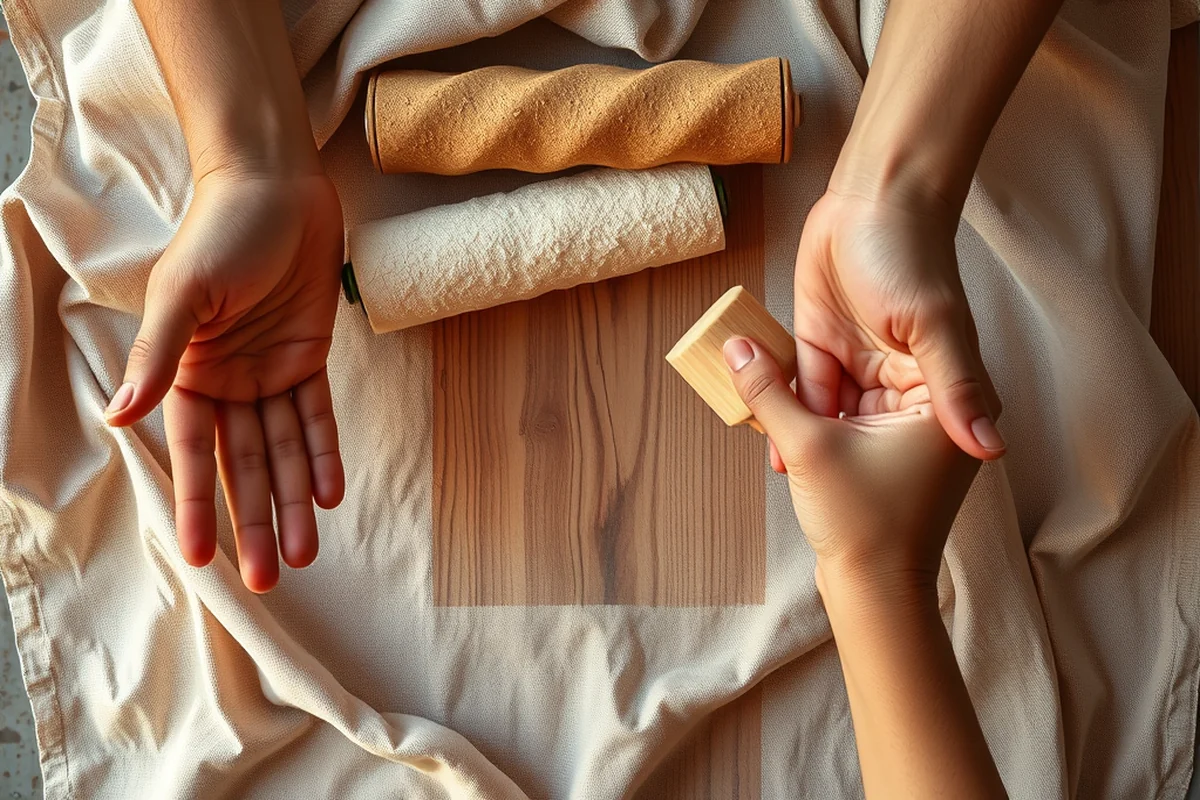
Applying water-based wood stain is simple and straightforward. I’ve used a brush, a roller, and even a clean cloth, and all of them worked well. The key is to apply an even coat, making sure you don’t leave any areas too thick or too thin. I usually go with a brush for more detailed work and a roller for larger surfaces like floors or cabinets.
Before applying the stain, it’s important to make sure the wood is clean and dry. I like to sand it lightly with fine-grit sandpaper to create a smooth surface that the stain can adhere to. I also wipe it down with a clean cloth to remove any dust or debris. This helps the stain stick better and provides a more even finish.
Once the surface is ready, I apply the stain in a thin, even layer. I use a slow, steady motion to cover the entire surface, and I make sure not to go over any one spot too many times. I let it dry for about an hour before applying the next coat. This allows the stain to set properly without creating a blotchy finish.
Related: Fast prepare wood for staining
Tips for Achieving the Best Results
To get the best results, it’s important to use the right tools and techniques. I always start by sanding the wood lightly with fine-grit sandpaper to ensure a smooth surface. This helps the stain absorb evenly and prevents any rough spots from showing through later. I also like to use a clean, lint-free cloth to wipe away any dust or debris before applying the stain.
When applying the stain, it’s important to work in a well-ventilated area. Although water-based stain is less toxic than oil-based options, it still produces some fumes, and I like to make sure the air is moving a bit to help it dry faster. I’ve found that applying the stain in a room with open windows or a fan helps the process along nicely.
Another tip is to apply the stain in thin, even coats. I’ve found that applying too much at once can lead to an uneven finish, and I’ve had to sand it down again later. I usually apply one or two coats, letting each one dry completely before moving on to the next. This helps build up the color gradually and gives a more natural, wood-like look.
Related: Stain for wood explained
Common Uses for Water-Based Wood Stain
Water-based wood stain is incredibly versatile and can be used on a wide range of wood projects. I’ve used it on furniture, cabinets, and even outdoor decks, and it’s worked well on all of them. It’s especially great for furniture, as it doesn’t leave behind the same harsh fumes that oil-based stains do, making it a safer option for indoor use.
One of the best things about water-based stain is that it works well on both new and refinished wood. I’ve used it on old, worn-out pieces and turned them into brand-new items with minimal effort. It’s also great for small projects, like picture frames or decorative shelves, where you want to highlight the wood’s natural grain without covering it up.
Another common use is for cabinetry, where a subtle, even finish is key. I’ve used it on my kitchen cabinets and loved how it enhanced the wood’s natural color without overpowering it. It’s also a great option for outdoor furniture, as it’s more resistant to the elements than some other types of stain.
Water-based wood stain is perfect for furniture, cabinets, and even outdoor projects.
Related: Small wood staining basics ideas
Environmental and Health Considerations
With environmental and health considerations, water-based wood stain is the clear winner. It’s made with biodegradable ingredients and has a much lower volatile organic compound (VOC) content than oil-based options. I’ve used several brands over the years, and I’ve always noticed a significant difference in the air quality of the room I was working in. It’s much more pleasant and safe for people with sensitivities.
Because it’s water-based, it doesn’t release the same harsh fumes that can be harmful to the environment and human health. I’ve always appreciated that I can use it in my home without worrying about the long-term effects on the air quality. This makes it a great choice for anyone who’s looking to be more eco-conscious with their DIY projects.
Another benefit is that it’s easier on the environment. It doesn’t require the same harsh chemicals for cleanup, and it doesn’t leave behind the same kind of residue that can be harmful to the planet. I’ve found that using water-based stain not only makes my projects look better, but it also makes me feel better about the impact I’m having on the environment.
💰 Budget Build
Use affordable, high-quality water-based stain to transform old furniture without spending a fortune.
⏰ Weekend Version
Finish a small project in one day with quick-drying water-based stain and minimal tools.
✨ Upgraded Finish
Achieve a professional look with water-based stain and a clear topcoat for extra protection.
🛋️ Small-Space Adaptation
Ideal for small spaces like apartments, where low fumes and easy cleanup are a must.
🏠 Rental-Safe Option
Perfect for short-term projects in rental homes, where damaging the space isn’t an option.
| The mistake | Why it happens | The fix |
|---|---|---|
| Applying too much stain at once | Applying too much can lead to an uneven finish and may require sanding or stripping later. | Always apply thin, even coats and allow each one to dry completely before adding another. |
| Not sanding the wood before applying stain | Not sanding can leave a rough surface that affects the stain’s adhesion and appearance. | Always sand the wood with fine-grit sandpaper before applying stain to ensure a smooth finish. |
| Using a dirty brush or cloth | Using a dirty tool can introduce dirt or debris into the stain, leading to an uneven or bumpy finish. | Always use clean, lint-free tools and wipe the surface down before applying stain. |
| Not working in a well-ventilated area | Even though water-based stain is less toxic, it still produces fumes that can be uncomfortable in poorly ventilated areas. | Always work in a well-ventilated space or use a fan to help the stain dry faster and reduce fumes. |
What Is Water Based Wood Stain
Common Questions
Can I use water-based wood stain on outdoor furniture?
How many coats of water-based wood stain should I apply?
Does water-based wood stain require a topcoat?
Is water-based wood stain suitable for beginners?
References
- study guide for wood preservation pest control (ag.utah.gov)
- Chapter 19. Initial Preservative Treatment of Wood in Covered Bridges (fhwa.dot.gov)
- Selection and Application of Exterior Finishes for Wood (extension.purdue.edu)
Cite this guide
Stainlane (2026). What Is Water Based Wood Stain. https://stainlane.com/what-is-water-based-wood-stain/
Feel free to cite or share this guide.