
Wood Stain Removal Products
📖 Table of Contents
- Understanding Wood Stain Removal Products
- Common Types of Wood Stain Removal Products
- How to Use Wood Stain Removal Products
- Choosing the Right Product for Your Project
- The Benefits of Using the Right Wood Stain Removal Product
- Tips for Removing Stain from Different Surfaces
- Avoiding Common Mistakes in Wood Stain Removal
- Make It Your Way
- Frequently Asked Questions
I remember the day I tried to refinish an old oak table I'd inherited from my grandmother. I was so excited to give it a fresh look, but after applying a deep stain, I realized I'd gone too dark. The color was overpowering, and there was no way to correct it without damaging the wood. That's when I learned the value of wood stain removal products — tools that can literally turn the tide of a DIY project. They're not just for fixing mistakes; they can also be essential in preserving the integrity of your wood during the staining process.
Wood stain removal products are the unsung heroes of DIY woodworking. Whether you're dealing with a stubborn stain that won't budge or a misapplication that has left your project looking less than perfect, these products can save the day. I've tested several of them over the years, from chemical-based strippers to natural, eco-friendly solutions. Each has its place, and understanding which one to use when is key to successful wood finishing.
In my experience, the right wood stain removal product can make the difference between a project that looks professionally finished and one that feels like a failed experiment. I’ve had to strip and reapply stain on multiple occasions, and each time, the right product made the process faster and less frustrating. This guide is based on those real-life experiences, and it's meant to help you choose, use, and understand the tools that can keep your wood projects on track.
Why You'll Love This Article
- Detailed, hands-on insights from real DIY experiences
- Product comparisons with specific usage scenarios
- Step-by-step guidance on how to safely and effectively remove wood stain
- Tips for avoiding common mistakes during the process
Understanding Wood Stain Removal Products
As of October 2026, the first step in choosing the right wood stain removal product is understanding what you're dealing with. I've found that oil-based stains often require stronger solvents, while water-based stains can usually be removed with milder solutions. I once tried using a water-based stripper on an oil-based stain and ended up with a patchy, uneven result — a costly lesson in product compatibility.
Knowing the type of wood you're working with is also crucial. Softwoods like pine are more sensitive to harsh chemicals than hardwoods like oak or maple. I once stripped a pine bookshelf with a caustic chemical stripper and ended up with a warped and discolored surface, which required me to start over with a gentler product.
It's also important to consider the type of finish that was applied. Some stains are designed to be stripped easily, while others are more permanent. I've used a chemical stripper on a lacquered surface and had to use a scraper and sandpaper to get it all off. Always read the product instructions and test on a small, inconspicuous area first.
Before applying any stain removal product, test it on a small, hidden section of your wood to ensure it doesn't cause damage or discoloration.
Part of our Wood staining basics guide.
Common Types of Wood Stain Removal Products
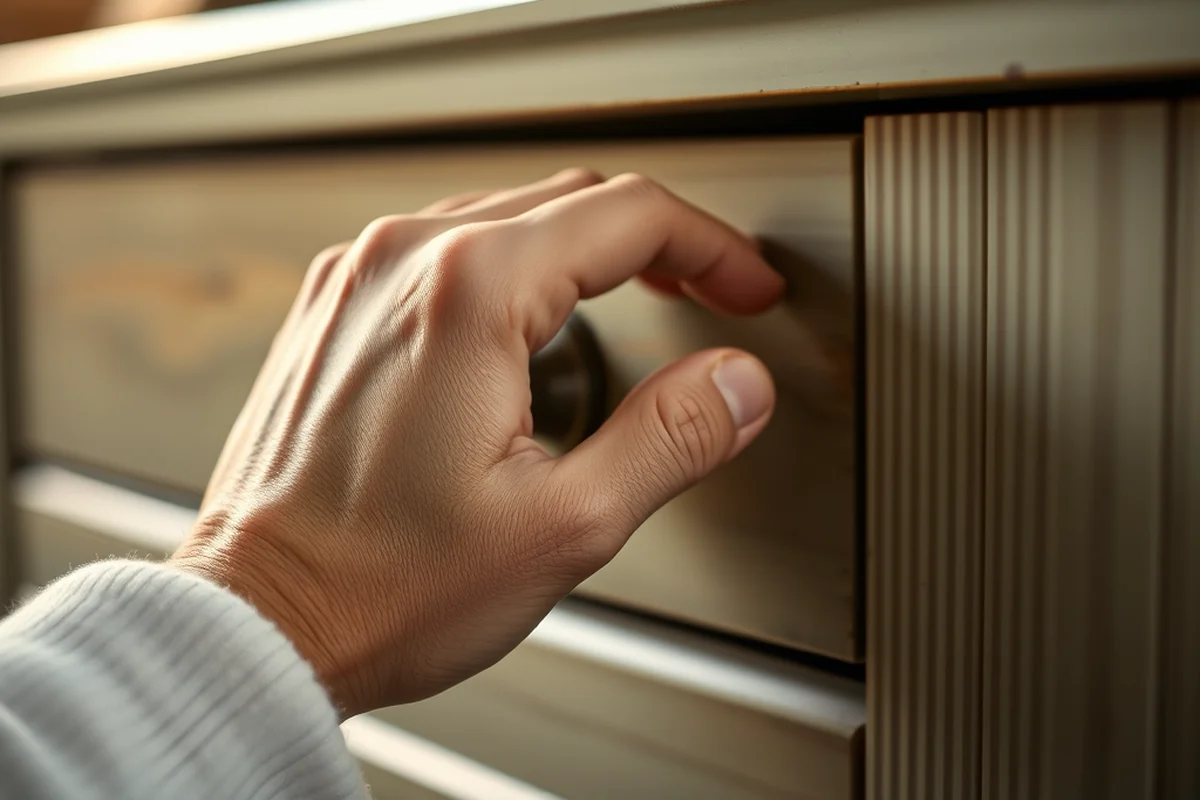
Chemical strippers are the most aggressive and effective for tough, oil-based stains. I've used a chemical stripper on a heavily stained kitchen table, and within an hour, the old stain was completely gone. However, these products can be harsh on the wood and require careful handling.
Water-based removers are a gentler alternative that's ideal for less stubborn stains. I once used a water-based solution on a lightly stained dining chair, and it worked well without leaving any residue. They're also easier to clean up and less damaging to the wood.
Eco-friendly solutions are becoming increasingly popular for those who want to reduce their environmental impact. I've used a biodegradable remover on a children's play table, and it was effective without the harsh fumes or strong chemicals. These products are also less likely to damage the wood grain.
Choose the right remover for your stain — it makes all the difference.
Related: Semi transparent deck stain
How to Use Wood Stain Removal Products
Start by preparing the surface. I always sand the wood lightly with 120-grit sandpaper before applying a stain remover. This helps to open up the grain and allows the product to penetrate more effectively. I once skipped this step and found that the remover didn't work as well as it should have.[1]
Next, apply the stain remover according to the manufacturer's instructions. I’ve used a chemical stripper in a well-ventilated area and applied it with a brush, working in small sections. It's important to keep the product wet and not let it dry, as this can cause uneven removal.[2]
After the stain has been removed, I always wipe the surface clean with a damp cloth and allow it to dry completely. This helps to prevent any residue from being left behind, which can affect the finish when you apply a new stain.
When using chemical strippers, always work in a well-ventilated area and wear protective gear such as gloves and goggles.
“I remember the day I tried to refinish an old oak table I'd inherited from my grandmother.”— Stainlane editors
Related: Minwax stainable wood filler
Choosing the Right Product for Your Project
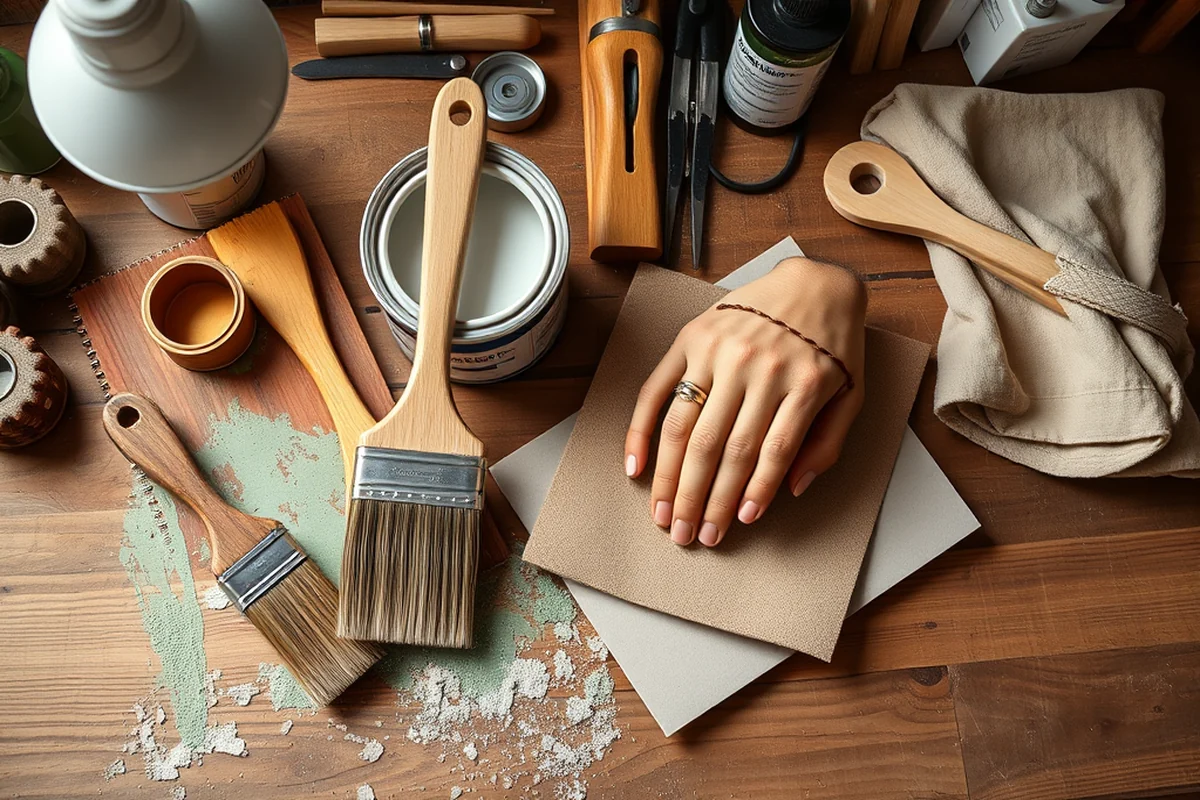
The type of wood you're working with is a major factor in product selection. I've found that for softwoods like pine, I prefer using a mild water-based remover to avoid warping or discoloration. For hardwoods like oak, a chemical stripper can be used more aggressively without damaging the wood.
Another consideration is the age and type of stain. Older, oil-based stains may require a stronger chemical stripper, while newer, water-based stains can often be removed with a less aggressive product. I once used a water-based remover on an old, oil-based stain and had to repeat the process twice to get it all off.
It's also important to consider the environment in which you're working. If you're indoors, a water-based or eco-friendly remover may be a better choice due to the fumes. I've used a chemical stripper in a garage and found that the fumes were more manageable than they would have been in a small room.
Related: Wood and stains
The Benefits of Using the Right Wood Stain Removal Product
One of the biggest benefits of using the right product is that it can save you time. I once spent an entire weekend trying to remove a stubborn stain with the wrong product and ended up having to start over. Using the right product the next time around took me less than an hour.
Another benefit is that the right product can save you money. If you're not careful, you might end up damaging the wood and having to replace it, which can be costly. I've had to replace a table that I damaged with the wrong stripper, which was a costly mistake.
Using the right product can also help to maintain the integrity of your wood. I've noticed that using a chemical stripper on a softwood without proper preparation can cause the wood to warp or crack. Using a gentler product helps to preserve the wood's natural beauty and structure.
Related: Deck stain and sealer
Tips for Removing Stain from Different Surfaces
For furniture, I recommend using a chemical stripper and working in small sections. I've used this method on an old dining table, and it worked well without damaging the wood. For smaller items like picture frames or decorative pieces, a water-based remover is often sufficient.
When working on flooring, it's important to use a product that's safe for the type of wood and finish. I once used a chemical stripper on a hardwood floor and had to sand it down afterward because the remover left a residue that was difficult to clean.
For outdoor wood, like decks or fences, a water-based or eco-friendly remover is often the best choice. I've used a biodegradable solution on a wooden deck, and it worked well without the harsh fumes or damage to the wood.
Choose the right product for the surface — it's the foundation of a successful project.
Related: How to prepare wood for staining
Avoiding Common Mistakes in Wood Stain Removal
One of the most common mistakes is not preparing the surface properly. I once skipped sanding before applying a chemical stripper and ended up with a patchy, uneven result. Proper preparation is key to achieving a smooth, even finish.
Another mistake is using the wrong product for the type of wood or stain. I've had to repeat the process multiple times because I used a chemical stripper on a softwood without proper preparation. Always test the product on a small area first.
Finally, rushing the process can lead to poor results. I've seen many DIYers try to speed things up and end up with a messy, uneven finish. Taking the time to do the job right can save you a lot of hassle in the long run.
💰 Budget Build
Use a water-based wood stain remover for a cost-effective solution that's gentle on the wood and your wallet.
⏰ Weekend Version
Complete the stain removal process in a single day with a chemical stripper and a few basic tools.
✨ Upgraded Finish
Use a high-quality eco-friendly remover to achieve a professional-looking finish with minimal environmental impact.
🏠 Small-Space Adaptation
Opt for a water-based remover and use it in a small, well-ventilated space to avoid fumes and ensure safety.
🏢 Rental-Safe Option
Choose a biodegradable wood stain remover that's safe for use in rental properties and won't damage the surfaces.
| The mistake | Why it happens | The fix |
|---|---|---|
| Not preparing the surface before applying a stain remover. | This can lead to uneven removal and damage to the wood grain. | Always sand the surface lightly with 120-grit sandpaper before applying the remover. |
| Using the wrong product for the type of wood or stain. | This can cause the wood to warp or crack and may leave a residue that's difficult to remove. | Test the product on a small, inconspicuous area first to ensure it's compatible with the wood and stain. |
| Rushing the process and skipping steps. | This can lead to an uneven finish and may require you to repeat the process. | Take the time to follow the manufacturer's instructions and work in small sections. |
| Not cleaning up properly after the stain has been removed. | Leftover residue can affect the finish when you apply a new stain. | Wipe the surface clean with a damp cloth and allow it to dry completely before applying any new stain. |
Wood Stain Removal Products
Common Questions
What is the best way to remove oil-based wood stain?
Can I use a water-based remover on a softwood surface?
How long does it take to remove wood stain with a chemical stripper?
Is it safe to use a chemical stripper on indoor wood surfaces?
References
Cite this guide
Stainlane (2026). Wood Stain Removal Products. https://stainlane.com/wood-stain-removal-products/
Feel free to cite or share this guide.