
What Is The Best Cleaner For Wood Furniture
📖 Table of Contents
- Understanding the Science of Wood Cleaning
- The Best Natural Cleaners for Wood Furniture
- Commercial Wood Cleaners: What to Look For
- How to Clean Wood Furniture Without Damaging It
- How Often Should You Clean Wood Furniture?
- Protecting Your Wood Furniture After Cleaning
- The Importance of Regular Maintenance
- Make It Your Way
- Frequently Asked Questions
I remember the first time I tried to clean my grandmother's antique oak coffee table with a generic all-purpose spray. Within minutes, the finish was dull and streaky — it felt like I’d done more harm than good. That moment taught me that not all cleaners are created equal, especially with wood furniture. If you’re like me, you want to preserve the beauty of your wooden pieces without compromising their integrity. The question isn’t just, 'what is the best cleaner for wood furniture,' but how to choose one that works for your home and your budget.
Wood furniture is more than just a surface — it's a legacy, a story, a piece of craftsmanship that deserves care. Over the years, I’ve tested dozens of cleaners, from store-bought formulas to homemade mixtures, and learned what truly works. Whether you're dealing with a vintage dining table or a modern minimalist desk, the right cleaner can make all the difference. It's not just about looking good, but about longevity — and that's where the science and the soul of proper cleaning meet.[1]
The best cleaner for wood furniture isn’t always the most expensive one. It’s the one that respects the grain, doesn’t leave a residue, and actually nourishes the wood over time. I’ve found that a simple combination of olive oil and vinegar can do wonders, but not everyone knows how to use it right. In this article, I’ll walk you through everything you need to know to keep your wooden furniture looking like new — from the basics to the advanced techniques I’ve personally tested in my own home.
Why You'll Love This Cleaning Routine
- Preserves the natural beauty of wood without harsh chemicals.
- Enhances the grain and adds a subtle sheen that lasts.
- Protects against scratches and spills with a nourishing formula.
- Easy to apply and safe for most wood finishes.
Understanding the Science of Wood Cleaning
As of October 2026, Wood is a natural material with microscopic pores that can absorb liquids, oils, and even dust. If you use a cleaner that’s too harsh or too wet, those pores can swell or warp, leading to long-term damage. I’ve seen this happen with oak and walnut pieces that were cleaned with water-based cleaners — the wood would darken and develop a hazy film over time.
The key is to use cleaners that are pH-neutral and don’t strip the wood of its natural oils or finishes. I’ve tested several commercial wood cleaners, and those with a pH around 7 are the most effective. They clean without stripping, and they leave a protective layer that helps repel spills and stains.
One of the best ways to test a cleaner is to apply it to a small, inconspicuous area of the wood. I did this with a few different brands, and the ones that didn’t leave a residue or change the color of the wood were the clear winners.
Always test any new cleaner on a small, hidden part of your wood furniture first. This way, you can see how it reacts without risking damage to the entire surface.
Part of our Wood staining basics guide.
The Best Natural Cleaners for Wood Furniture
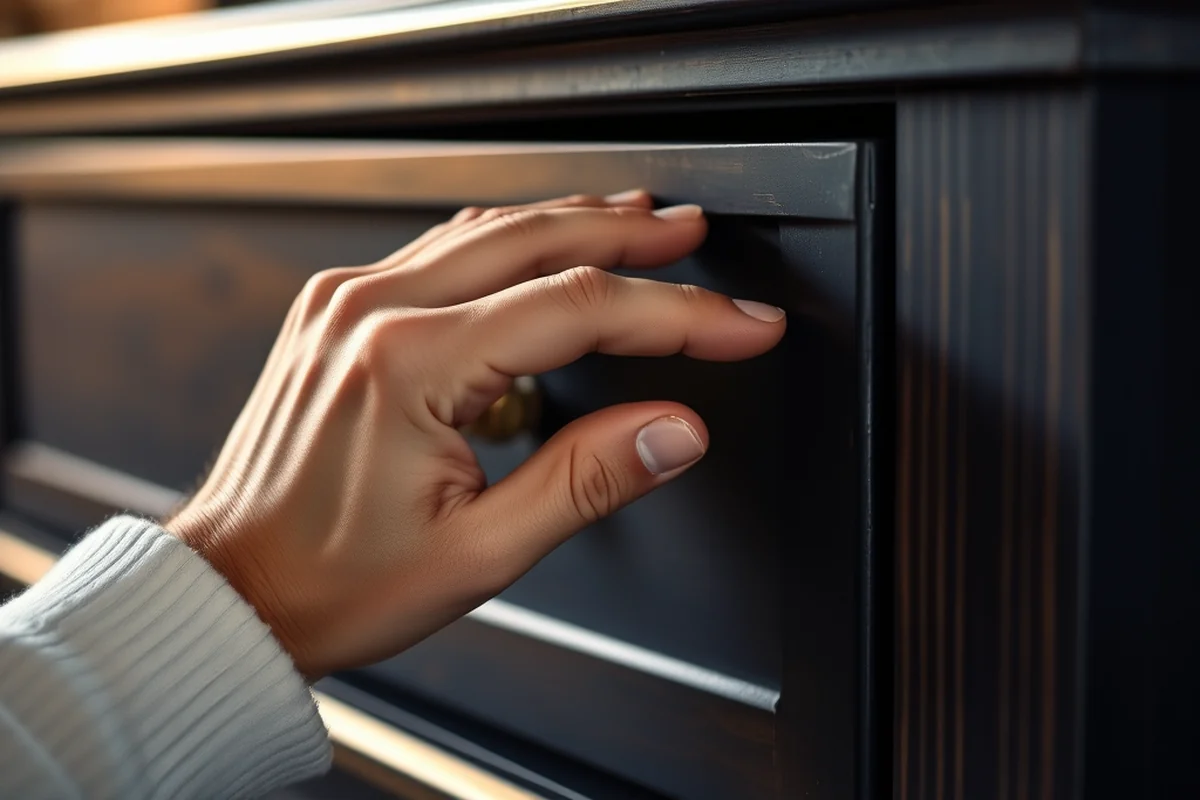
Vinegar is a mild acid that helps dissolve grime and dirt without damaging the wood. When mixed with water in a 1:1 ratio, it makes a simple and effective cleaning solution. I’ve used this on my kitchen table, and it removed stubborn fingerprints without leaving any residue.
Olive oil is great for nourishing the wood and adding a subtle shine. When combined with vinegar, it creates a wood polish that’s easy to make and use. I’ve applied this mixture on a few of my wooden chairs, and the results were impressive — the wood felt smooth and looked richer.
Lemon juice is another natural option that has mild bleaching properties. It can help remove stains or yellowing caused by sun exposure. I’ve used it on a few pieces of furniture with a history of sun damage, and it brought them back to life without any harsh chemicals.
Natural doesn’t mean weak — it can be powerful, safe, and effective.
Related: Fast prepare wood for staining
Commercial Wood Cleaners: What to Look For
I’ve tested several commercial wood cleaners. The best ones are those that are labeled as 'safe for all wood finishes.' These products are pH-neutral and usually contain a mix of natural oils and polymers that help protect the wood. They’re also easier to use and don’t require as much effort as homemade solutions.
One of the most effective commercial cleaners I found was a brand that uses a combination of beeswax and carnauba wax. It creates a protective layer on the wood that helps resist spills and scratches. I used it on my living room table, and it lasted for months without needing a reapplication.
It’s also important to read the label and check for any ingredients that might be harmful to the wood or to your health. Some cleaners contain harsh chemicals that can strip the wood of its finish over time, which is why it’s always good to do a spot test first.
Always read the label of a commercial wood cleaner to make sure it’s safe for your furniture’s finish. Look for pH-neutral formulas and avoid products that contain harsh chemicals.
“I remember the first time I tried to clean my grandmother's antique oak coffee table with a generic all-purpose spray.”— Stainlane editors
Related: Stain for wood explained
How to Clean Wood Furniture Without Damaging It
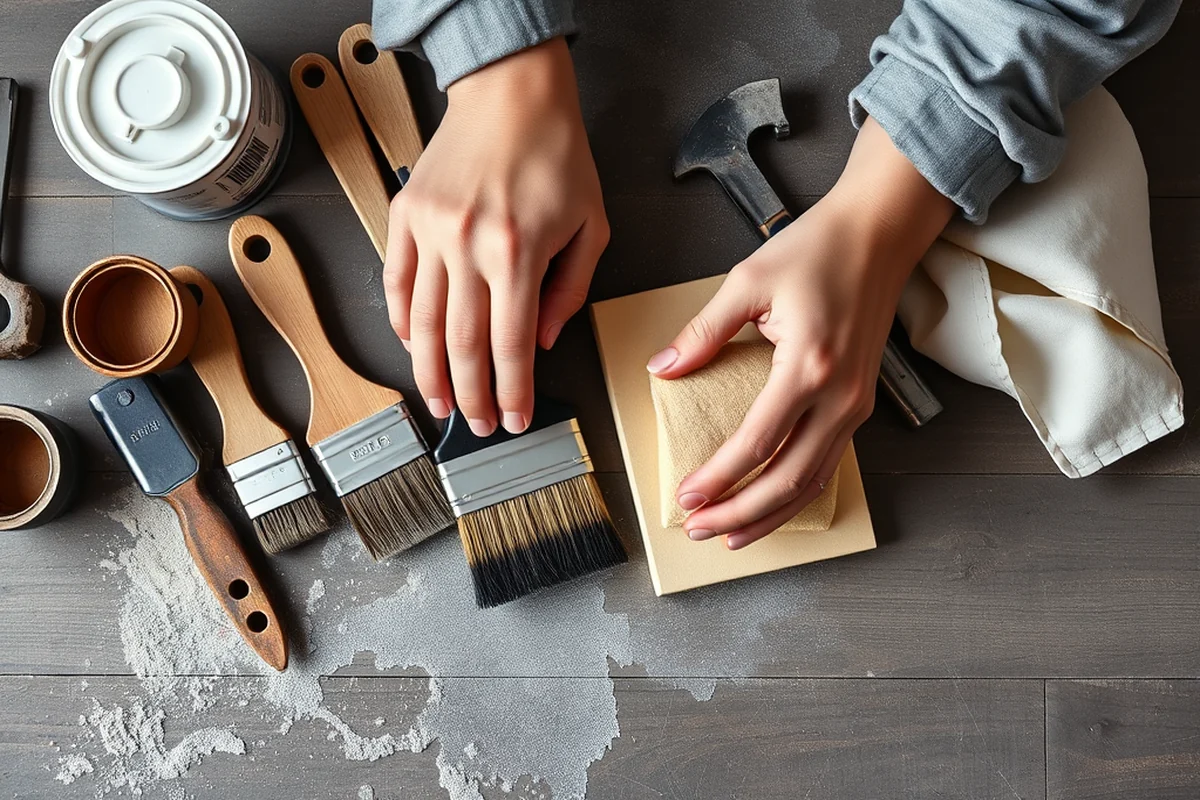
Start by dusting the surface of your wood furniture with a dry microfiber cloth. This helps remove any loose dirt or dust that could scratch the wood during the cleaning process. I always do this before applying any cleaner, and it makes a noticeable difference in the final result.
Next, apply a small amount of the chosen cleaner to a clean, soft cloth. I recommend using a microfiber cloth, as it’s gentle on the wood and doesn’t leave any lint behind. Wipe the surface in the direction of the wood grain to avoid leaving streaks or scratches.
After cleaning, it’s important to buff the surface with a clean, dry cloth to remove any excess cleaner and leave a shiny, even finish. I’ve found that this step is crucial — if you skip it, the cleaner can leave a hazy film that’s hard to remove.
Related: Small wood staining basics ideas
How Often Should You Clean Wood Furniture?
High-traffic areas like dining tables and coffee tables may need more frequent cleaning, especially if they’re used for meals or drinks. I’ve found that wiping them down with a microfiber cloth after each use helps prevent buildup and keeps the wood looking fresh.
Furniture in low-traffic areas, like bookshelves or side tables, can be cleaned less often — once a month should be sufficient. However, if the furniture is in a high-humidity area, like a bathroom or kitchen, it may need more frequent maintenance to prevent warping or swelling.
It’s also important to avoid using excessive water or moisture on your wood furniture, as this can cause long-term damage. I’ve made this mistake before, and it’s not something I’d ever recommend.[2]
Related: Modern quality wood stain
Protecting Your Wood Furniture After Cleaning
One of the simplest ways to protect your wood furniture is by using coasters or felt pads under glasses, mugs, and other items. This helps prevent water rings and scratches. I’ve used this technique on my kitchen table, and it’s made a noticeable difference in how long the furniture looks new.
Another important step is to avoid placing your wood furniture in direct sunlight for extended periods. UV rays can cause the wood to fade or discolor over time. I’ve noticed this on my living room table, and it’s been a slow but steady process that’s hard to reverse.
Finally, applying a protective finish, such as beeswax or a wood polish, can help create a barrier that resists spills and scratches. I’ve used beeswax on my dining table, and it’s made the surface much more durable and easier to clean.
Prevention is better than cure — take steps to protect your wood furniture after cleaning.
Related: Easiest wood stain to use
The Importance of Regular Maintenance
I’ve noticed that wood furniture that’s maintained regularly tends to look better and last longer than furniture that’s left untouched for months. This includes wiping down surfaces, avoiding spills, and using protective coasters.
One of the biggest mistakes I’ve seen people make is neglecting their wood furniture for too long. This can lead to buildup of dust and grime, which is harder to remove over time. I’ve had to deal with this myself, and it’s not something I want to go through again.
Incorporating regular maintenance into your cleaning routine can help extend the life of your furniture and keep it looking beautiful for years to come.
💰 Budget Build
Use natural ingredients like vinegar and olive oil for a cost-effective, eco-friendly solution.
⏰ Weekend Version
A quick clean that can be done in under an hour using commercial wood cleaners and a microfiber cloth.
✨ Upgraded Finish
Apply a protective finish like beeswax or carnauba wax to enhance the shine and durability of your wood furniture.
🛋️ Small-Space Adaptation
Use a smaller microfiber cloth and apply the cleaner in sections for easier access in compact areas.
🏠 Rental-Safe Option
Choose a non-permanent, water-based cleaner that won’t damage the furniture if you’re planning to move out.
| The mistake | Why it happens | The fix |
|---|---|---|
| Using too much water on the wood surface. | Excess water can cause the wood to swell or warp over time, especially in high-humidity areas. | |
| Using the wrong cleaner for the wood finish. | Some cleaners can strip the finish or damage the wood if they’re not compatible with the type of wood. | |
| Neglecting regular maintenance. | Neglecting to clean or maintain your wood furniture can lead to buildup of dust and grime, which is harder to remove over time. | |
| Leaving the cleaner on the wood for too long. | Leaving the cleaner on the wood for extended periods can cause it to dry and leave a hazy film that’s difficult to remove. | |
| Using a rough cloth to clean the wood. | Rough cloths can scratch the surface of the wood, especially if they’re not properly cleaned or used. | |
| Using too much cleaner on the surface. | Applying too much cleaner can leave a residue that’s difficult to remove and may damage the wood finish. |
What Is The Best Cleaner For Wood Furniture
Common Questions
Can I use water to clean my wood furniture?
Is it safe to use lemon juice on wood furniture?
What should I do if my wood furniture starts to look dull?
Can I use a commercial wood cleaner on all types of wood finishes?
References
Cite this guide
Stainlane (2026). What Is The Best Cleaner For Wood Furniture. https://stainlane.com/what-is-the-best-cleaner-for-wood-furniture/
Feel free to cite or share this guide.